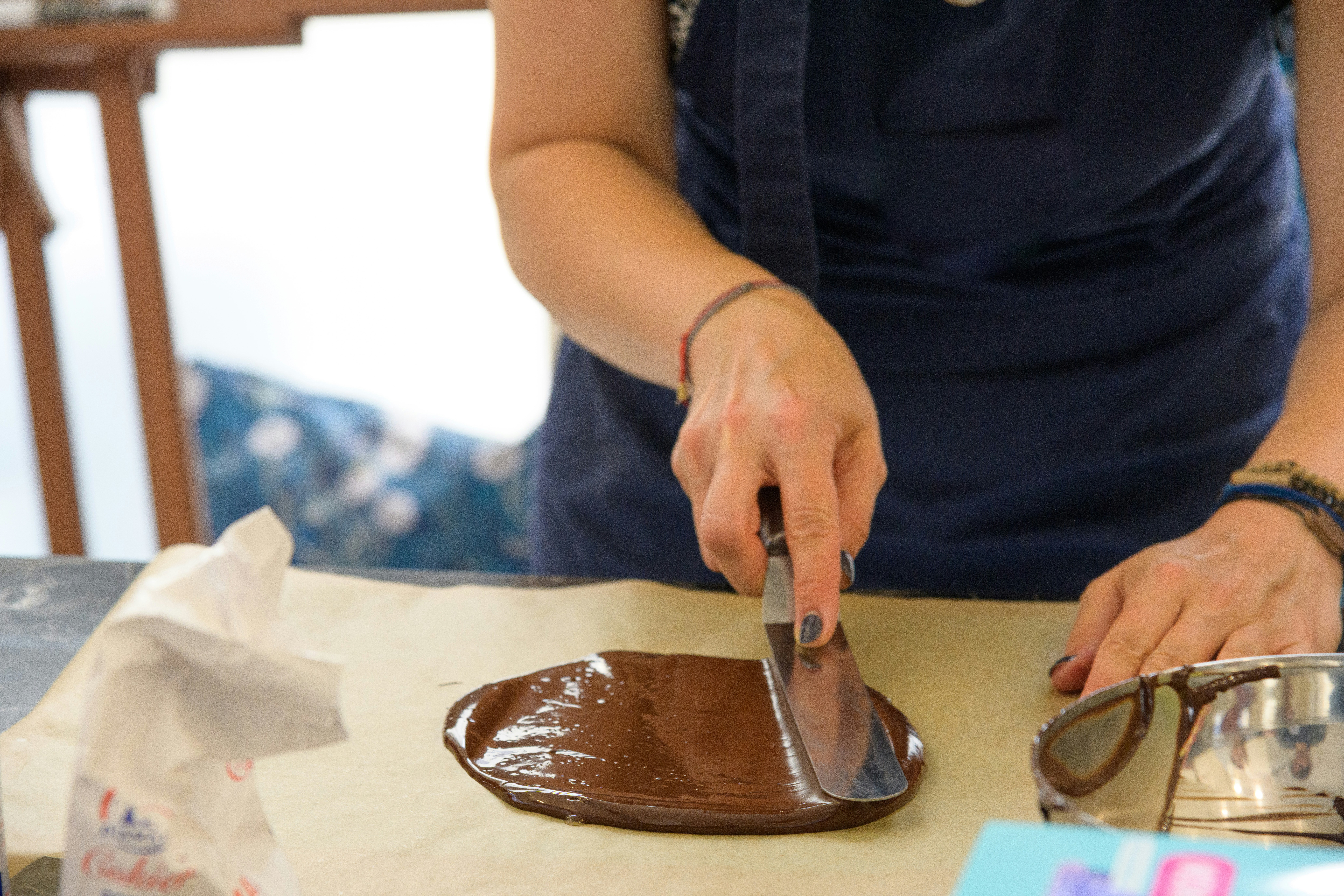
The Modern Chocolatier’s World
In 2025, becoming a chocolatier means stepping into a field where artistry meets precision science. The chocolate industry has evolved far beyond traditional confectionery. Today’s chocolatier career path includes disciplines like sensory analysis, ethical sourcing, and food technology. Whether your dream is to craft bonbons for a luxury brand, start a boutique bean-to-bar company, or teach the next generation of chocolate makers, a clear plan and professional training are essential.
This guide outlines how to start and advance your career as a chocolatier, what certifications matter, and how this specialized craft fits within the broader world of careers in the chocolate industry.
1. Understanding the Role: What Does a Chocolatier Actually Do?
A chocolatier is a professional who creates finished chocolate products like truffles, pralines, bars, and showpieces, using couverture chocolate. Unlike a cocoa farmer or chocolate maker (who transforms cocoa beans into chocolate), the chocolatier focuses on flavor development, design, and presentation.
Daily responsibilities may include:
- Tempering and molding chocolate for stability and shine
- Designing and testing new flavor combinations
- Managing production and quality control
- Overseeing packaging, storage, and presentation
- Working with pastry chefs, chocolatiers, and suppliers
If you enjoy both creative and technical work, balancing artistry with precision, a chocolatier career offers one of the most satisfying chocolate making jobs available.
2. Chocolatier Career Path: From Apprentice to Master
The path to becoming a chocolatier varies depending on where you train, but it generally follows four key stages:
Step 1: Foundation in Culinary Arts
Most professional chocolatiers begin with formal culinary training. A diploma or degree in pastry arts or baking and confectionery provides essential skills in food safety, flavor theory, and ingredient handling.
- Top institutions include École Ducasse (France), Barry Callebaut Chocolate Academy (global), and The Culinary Institute of America (U.S.).
- Some students begin in hospitality or culinary programs and specialize later in chocolate.
Step 2: Specialized Chocolatier Training
Once you’ve mastered the basics, move into professional chocolatier training. These programs teach chocolate tempering, ganache formulation, enrobing, decoration, and shelf-life management.
Notable certifications and programs:
- Callebaut Chocolate Academy Certification (recognized worldwide)
- École Chocolat Professional Chocolatier Program (online and in-person options)
- Le Cordon Bleu Diplôme de Pâtisserie with Chocolate Modules
Practical experience. Even a few months in a professional kitchen is important. Apprenticeships with established chocolatiers provide a first-hand understanding of workflow and precision.
Step 3: Experience and Portfolio Building
Early-career chocolatiers often start as assistants or production workers in pastry shops, hotels, or artisanal chocolate houses. Focus on mastering technique, consistency, and creative design. Document your work carefully; a visual portfolio is essential for professional growth.
Step 4: Master Chocolatier Level
After years of experience (often 10+), a select few earn the title Master Chocolatier. A recognition of exceptional skill, innovation, and teaching ability. These professionals may run their own brands, consult for chocolate producers, or lead training academies.
3. Pastry Chef vs Chocolatier: Understanding the Difference
While both professions share a foundation in pastry arts, their focus diverges significantly.

If you’re drawn to precision, chemistry, and the tactile beauty of chocolate, the chocolatier path is more specialized and technical. Many professionals, however, transition between both worlds.
4. Professional Chocolatier Training and Certification
Formal education remains the cornerstone of credibility in today’s global market. Employers and clients alike recognize trained chocolatiers for their consistency and product quality.
Recommended Certifications:
- Professional Chocolatier Certificate: foundational training on tempering, fillings, and ganache formulation.
- Master Chocolatier Certification: advanced course including business management, sensory development, and innovation.
- Food Safety and HACCP Certification: required for all food professionals.
Online platforms like École Chocolat and Barry Callebaut’s Academy make it possible to train remotely while maintaining a professional career.
5. Salaries and Career Outlook in 2025
The master chocolatier salary varies by location, experience, and business model. As of 2025, estimates show:
| Role | Experience Level | Average Annual Salary (USD) |
| Assistant Chocolatier | Entry-level (0–2 yrs) | $30,000 – $40,000 |
| Chocolatier | Mid-level (3–7 yrs) | $45,000 – $65,000 |
| Master Chocolatier | Senior (8+ yrs) | $70,000 – $120,000+ |
Entrepreneurs and educators often exceed these figures through brand partnerships, product lines, or consulting. The careers in chocolate industry are diversifying fast — with growing roles in sustainability, research, product development, and sensory evaluation.
Emerging chocolate making jobs include:
- Flavor developer or product technologist
- Bean-to-bar production manager
- Sustainability and sourcing specialist
- Chocolate educator or consultant
As consumers seek higher quality and ethical transparency, chocolatiers with technical and ethical literacy will have a strong competitive edge.
6. Building Your Professional Network
Chocolate is a small world, and that’s why networking is key.Attend international events such as:
- Salon du Chocolat (Paris, Tokyo, New York)
- World Chocolate Masters (Barry Callebaut competition)
- ChocoTec Conference (Germany)
Join professional associations like the Fine Chocolate Industry Association (FCIA) to access mentorship and business opportunities.
Document your work online through social media, but maintain a professional focus, craftsmanship, innovation, and storytelling matter more than trends.
7. Starting Your Own Chocolate Brand
Once confident in your technical skill, you may choose to open your own chocolate studio. This step combines artistry with entrepreneurship.
Key considerations:
- Understanding local food production regulations
- Sourcing quality couverture or making your own chocolate
- Pricing, packaging, and marketing strategy
- Developing a sustainable business model
Courses in food business management or small-scale manufacturing can bridge the gap between artistry and profitability.
Conclusion: Crafting a Career in Chocolate
Becoming a chocolatier in 2025 requires dedication, discipline, and continual learning. It’s a career that rewards precision, creativity, and curiosity — blending the traditions of European craftsmanship with modern sustainability and innovation.
Whether your goal is to become a master chocolatier, lead a research lab, or design award-winning bonbons, the journey begins with the first pour of tempered chocolate.
Invest in your education, seek mentorship, and remember that every perfect shine or balanced ganache represents not just technique — but mastery earned over time.
Leave a Reply